How a Fake Fish Slip Turned an Airport Gold Shipment Into a $20M Crime Story
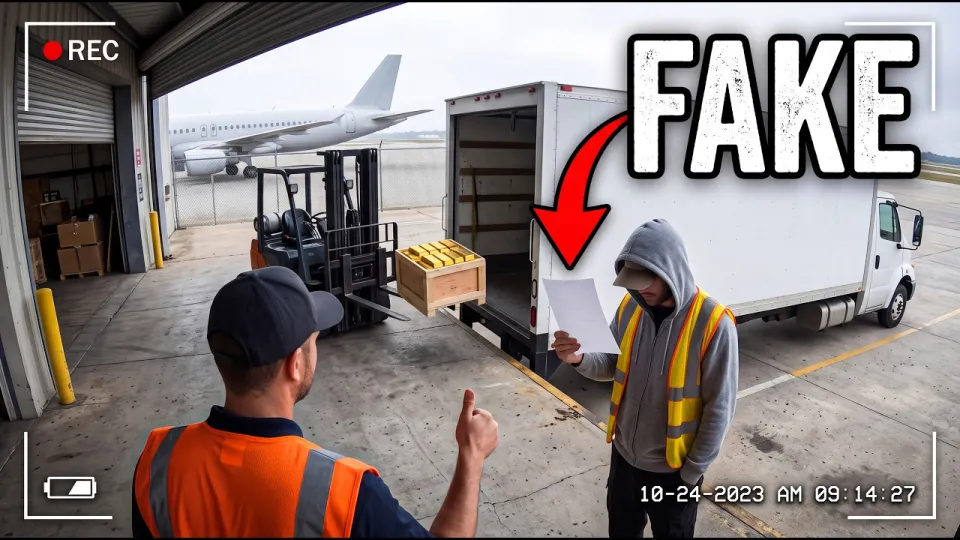
Video: Airport Has No Idea It Just Handed $20M in Gold to Thieves (crime story)
· based on the channel Max Crime
A crime story like this rarely depends on guns or explosions; the Toronto Pearson gold heist worked because a single fraudulent document was trusted at the cargo counter. Thieves posed as a courier picking up a shipment of fish, and that paperwork was enough to release 6,600 gold bars worth about $20 million. The lesson is procedural: the weakest point in the chain was not the vault but the clipboard.
What made the fake fish slip the perfect cover for a crime story
The heist succeeded because the cover story was deliberately boring. Cargo warehouses process hundreds of routine pickups a day, and a fish shipment is about as unremarkable as freight gets. According to the account in the Max Crime breakdown, a man backed a white truck up to Air Canada's cargo facility at Toronto Pearson and presented staff with a document claiming the consignment was a fish pickup. The slip even referenced a shipment that had already been collected the day before — a detail that should have triggered a second check and did not.
Three factors made the disguise work:
- A plausible commodity. Fish is perishable, time-sensitive freight, so a driver pushing for a fast release looks normal rather than suspicious.
- A familiar ritual. The driver behaved like any contracted courier: arrive, hand over paperwork, wait for the load.
- A single point of trust. The warehouse released the container on the strength of the document, not on a verified call-back to the shipper.
How the $20M gold shipment moved from plane to thieves
The gold arrived as ordinary air cargo, which is exactly why it was vulnerable. An Air Canada flight landed at Toronto Pearson carrying 6,600 bars of gold inside one metal container. Later that evening, the white truck pulled up to the airline's cargo warehouse and the fraudulent slip was handed over. Staff released the container, the truck drove off, and the airport had no idea it had just handed a fortune to thieves.
The sequence matters for anyone studying cargo theft:
- Arrival: the shipment is logged in as freight, not as a high-value security transfer.
- Storage window: the container sits in the warehouse, where the clock is running for anyone who knows it is there.
- Pickup: a driver with the right-looking paperwork converts a warehouse holding into a moving vehicle.
- Exit: once the truck leaves the cargo area, the trail goes cold fast.
The absence of violence is the point. No alarm was forced, no lock was cut. The theft was executed through the front door, in business hours, with a document.
The procedural gaps that let a courier impersonation work
Cargo security depends on verification, and verification is the first thing that gets skipped under time pressure. The fish slip worked because the facility's process allowed a pickup to be completed on presentation of paperwork alone. A simple confirmation step — calling the consignee, checking the waybill against the pickup reference, or flagging that the referenced fish shipment had already been collected — would have stopped the truck at the counter.
What the case exposes:
- No cross-check on prior collection. A document naming freight already picked up the previous day is a red flag that should be automatic.
- Courier identity treated as self-evident. A branded truck and a confident driver are not credentials.
- High-value freight handled like routine freight. Gold moving as standard air cargo inherits the security level of fish.
- Time pressure as an exploit. Perishable-goods pickups invite speed, and speed is what thieves want.
This is the pattern that makes the case a recurring reference point in true crime documentaries about cargo theft: the vulnerability is administrative, not physical.
Why the Toronto Pearson gold heist became a landmark cargo theft
The scale is what fixes the case in public memory. A single container, one truck, one slip, and roughly $20 million in gold — the ratio of effort to reward is almost absurd. The Max Crime episode frames it as a story about gaps rather than genius: the thieves did not outfight security, they out-papered it.
It also fits a broader pattern in real crime history. Airports move enormous value every day, and most of it is protected by documentation rather than armed guards. When the documentation is the lock, forging the documentation is the key. The Toronto Pearson case is studied for the same reason bank heists of the past are studied: it shows exactly where a system assumes trust it has not earned.
How airports can close the gap this crime story exposes
A repeat of this heist is preventable with checks that cost minutes, not millions. The fixes below follow directly from how the fake fish slip succeeded.
- Verify the consignee, not just the paper. Require a call-back or system confirmation to the shipper before any high-value container leaves the warehouse.
- Flag duplicate and stale references. Automatically reject a pickup document pointing to freight already collected.
- Separate high-value freight from routine handling. Gold and other dense-value cargo should never share the same release process as perishables.
- Log driver identity independently. Photo ID, carrier confirmation, and plate capture at the dock create a trail that survives the exit gate.
- Run spot audits on pickup sequences. Random re-checks of completed releases catch patterns before they become losses.
None of these steps requires new technology; they require treating paperwork as a security control rather than a formality.
The bottom line on this airport gold heist
The Toronto Pearson case is a crime story about trust misplaced at a loading dock, where 6,600 gold bars left an Air Canada cargo warehouse on the strength of a fake fish slip. The thieves needed no weapons, only a plausible document and a facility willing to accept it. What makes the case worth revisiting in 2026 is that the same procedural gap exists anywhere high-value freight is released on paperwork alone. The Max Crime channel built its breakdown around exactly that point, tracing how a routine courier impersonation turned into a $20 million loss. The fix is unglamorous and effective: verify the shipment, verify the driver, and never let a perishable-goods excuse buy speed on a container of gold.
Key takeaways
- An Air Canada flight landed at Toronto Pearson with 6,600 gold bars packed into a single metal container.
- A man drove a white truck to the airline's cargo warehouse and handed staff a fraudulent document for a fish pickup.
- The fish shipment named on the slip had already been collected the day before, yet the paperwork passed.
- The thieves posed as a legitimate courier and bypassed cargo security protocols without force.
- The haul was valued at roughly $20 million, making it one of Canada's boldest cargo thefts.
Questions & answers
How much gold was stolen at Toronto Pearson?
The shipment contained 6,600 gold bars inside a single metal container, with the haul valued at roughly $20 million. It arrived at the airport as ordinary air cargo on an Air Canada flight before being released to thieves at the cargo warehouse.
How did the thieves trick the cargo warehouse?
A man drove a white truck to the Air Canada cargo facility and presented a fraudulent document for a fish pickup. The referenced fish shipment had already been collected the day before, but the paperwork was accepted and the container was released.
Was the heist violent?
No. The theft relied on impersonating a legitimate courier and exploiting procedural gaps in cargo release, not on force. The truck left through the normal exit with the gold on board.
What is the main security lesson of this crime story?
Paperwork should be treated as a security control. Confirming the pickup with the shipper, rejecting references to freight already collected, and separating high-value cargo from routine perishable handling would have stopped the theft at the counter.
Source: Airport Has No Idea It Just Handed $20M in Gold to Thieves (crime story) · Markdown version